- Dr. Raghul M. MBBS MS DNB FMAS FICRS MCh(Paed Surg)
As a pediatric surgeon, I understand how worrying it can be for parents to notice an unusual swelling or lump in their child’s groin or abdomen. Many parents initially observe the swelling while the child cries, coughs, strains, or becomes physically active. Although some hernias may appear painless in the beginning, they can gradually increase in size and sometimes lead to serious complications if left untreated.A hernia occurs when a portion of the intestine or abdominal tissue pushes through a weak area in the abdominal wall. Hernias are common in infants and children and often require timely pediatric surgical evaluation to prevent complications such as incarceration or intestinal obstruction.
I provide advanced hernia treatment in Tambaram with a strong focus on accurate diagnosis, child safety, minimally invasive surgical care, faster recovery, and compassionate support for both children and parents. Every child is individually evaluated before treatment is recommended to ensure the safest and most effective surgical approach.
Dr. Raghul M is a Consultant Neonatal & Paediatric Laparoscopic Surgeon and Paediatric Urologist with expertise in advanced pediatric surgical procedures, including several first-of-its-kind surgeries in India. He holds MBBS, MS, DNB, FMAS, and MCh in Paediatric Surgery qualifications and has been honored with multiple gold medals for academic and surgical excellence.
| Condition | Pediatric Hernia |
|---|---|
| Treatment Type | Surgical Repair |
| Procedure Duration | 30–60 Minutes |
| Hospital Stay | Same-Day or Short Stay |
| Recovery Time | Few Days to 1 Week |
| Commonly Seen In | Infants & Children |
| Symptoms | Groin or Abdominal Swelling |
| Surgical Options | Open or Laparoscopic Repair |
| Goal of Treatment | Prevent Complications & Discomfort |
A hernia develops when abdominal tissue or a part of the intestine protrudes through a weak area in the muscles of the abdominal wall. In children, hernias are usually congenital, meaning they are present from birth due to incomplete closure of structures during fetal development.
The swelling may become more visible during:
Some hernias remain reducible, meaning the swelling disappears temporarily when the child relaxes or lies down. However, untreated hernias may gradually enlarge or become trapped, leading to pain and complications.
Early diagnosis is important because pediatric hernias generally do not improve on their own, especially inguinal hernias.
During fetal development, certain openings in the abdominal wall normally close before birth. When these openings fail to close completely, abdominal contents can protrude through the weak area and form a hernia.
Children born prematurely may have a higher risk of developing hernias because their abdominal structures may not have fully matured at birth.
Inguinal hernias are more commonly seen in boys but can also affect girls.
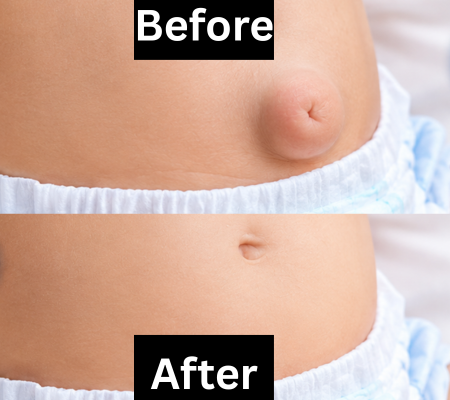
Umbilical hernia develops near the belly button when abdominal tissue protrudes through the umbilical opening.
Some small umbilical hernias may close naturally with growth, while larger or persistent hernias may require surgery.
Epigastric hernias occur in the upper abdominal wall between the chest and belly button.
Incisional hernia may occur near a previous surgical incision due to weakness during healing. This type is less common in children.
Parents should seek pediatric surgical consultation if their child develops:
Some hernias may appear intermittently and disappear temporarily, making early medical evaluation important.
Certain symptoms may indicate a trapped or strangulated hernia requiring urgent treatment.
Delaying treatment in such situations can increase the risk of intestinal damage.
Children with certain congenital conditions may also have increased risk.
Lorem ipsum dolor sit amet, consectetur adipiscing elit. Ut elit tellus, luctus nec ullamcorper mattis, pulvinar dapibus leo.
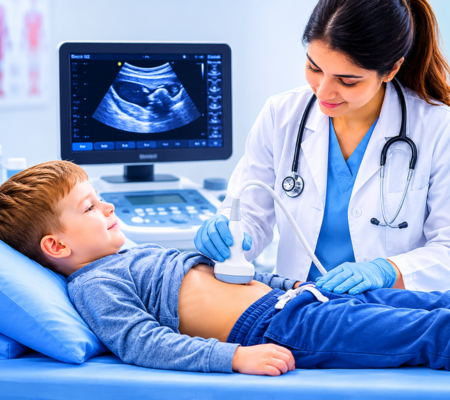
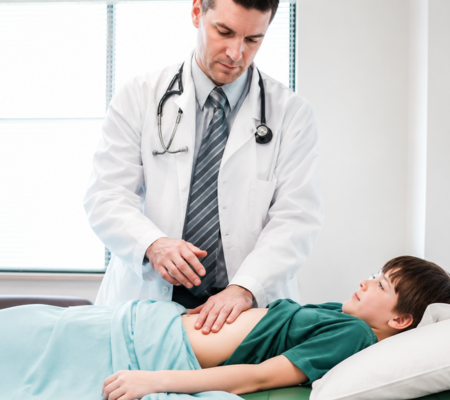
Diagnosis usually involves a detailed clinical examination and medical history evaluation.
In some cases, ultrasound imaging may be recommended to confirm the diagnosis or evaluate associated abnormalities.
Most pediatric hernias are congenital and cannot be completely prevented. However, early diagnosis and treatment help prevent complications and emergency situations.
Parents should avoid ignoring recurring groin or abdominal swelling, even if the swelling temporarily disappears.
Timely surgery reduces the risk of obstruction and emergency complications.
The child’s symptoms and overall condition are carefully assessed.
Necessary investigations and anesthesia evaluation are completed.
Anesthesia is administered to ensure a painless and comfortable procedure.
The hernia sac is identified and repaired using pediatric surgical techniques.
The incision is closed carefully, and dressing is applied.
The child is monitored before discharge.
Most children recover comfortably and return home on the same day or after short observation.
In selected cases, minimally invasive laparoscopic surgery may be recommended.
Laparoscopic hernia repair uses small incisions and specialized instruments to repair the hernia with improved precision and minimal tissue trauma.
The decision to perform laparoscopic surgery depends on the child’s condition and clinical findings.
Timely treatment offers several advantages for children.
Early surgery is usually associated with smoother recovery compared to emergency surgery.
Most children recover comfortably after pediatric hernia surgery.
Most children comfortably resume regular activities.
Complete recovery may vary depending on the type of hernia and surgical technique used.
Parents can support smoother recovery by following postoperative instructions carefully.
Good postoperative care helps reduce complications and supports faster healing.
Pediatric hernia surgery is generally considered safe when performed by an experienced pediatric surgeon under proper anesthesia and sterile conditions.
I follow child-focused surgical protocols, individualized treatment planning, and careful postoperative monitoring to ensure safe and effective treatment for every child.
Parents naturally have concerns when surgery is recommended for their child. During consultation, I help families understand the diagnosis, treatment process, surgical options, recovery expectations, and long-term outcomes.
Some small umbilical hernias may close naturally during early childhood. However, inguinal hernias usually require surgical repair.
The procedure is performed under anesthesia, and postoperative discomfort is generally mild and manageable.
Yes. Untreated hernias can sometimes become trapped and affect blood supply to the intestine, leading to emergency complications.
Most children return to school and routine activities within a few days depending on recovery.
Yes. Minimally invasive laparoscopic hernia repair may be recommended in suitable cases.
Recurrence is uncommon when surgery is performed appropriately.
Parents should seek medical evaluation if their child develops:
Early diagnosis and timely treatment help prevent complications and improve surgical outcomes.
Families searching for hernia treatment in Tambaram often look for specialized pediatric surgical care focused on safety, accurate diagnosis, minimally invasive techniques, and faster recovery.
can benefit from timely consultation and proper surgical guidance.
can benefit from timely consultation and proper surgical guidance.
Every child receives individualized treatment planning to ensure safe and effective hernia care.
Most pediatric hernias occur due to weakness or openings in the abdominal wall present from birth.
Inguinal hernias usually require surgery, while some small umbilical hernias may close naturally.
The procedure generally takes around 30–60 minutes.
Many hernia surgeries are performed as daycare or short-stay procedures.
Yes. Laparoscopic hernia repair is considered safe in appropriately selected cases.
Immediate evaluation is needed if swelling becomes painful, hard, red, or associated with vomiting.
If your child is experiencing groin swelling, abdominal swelling, or symptoms suggestive of a hernia, early pediatric surgical evaluation is important to prevent complications and ensure safe treatment.
Book a consultation for advanced hernia treatment in Tambaram with compassionate, child-focused surgical care.
Book an appointment with Dr. Raghul M to discuss the best treatment options for your child.