- Dr. Raghul M. MBBS MS DNB FMAS FICRS MCh(Paed Surg)

As a pediatric surgeon, I understand how concerning it can be for parents when their baby struggles with feeding, poor latch, prolonged feeding sessions, or restricted tongue movement. In older children, tongue tie may also affect speech clarity, swallowing, oral hygiene, and overall tongue mobility. These concerns can create stress for both parents and children, especially during important developmental stages.
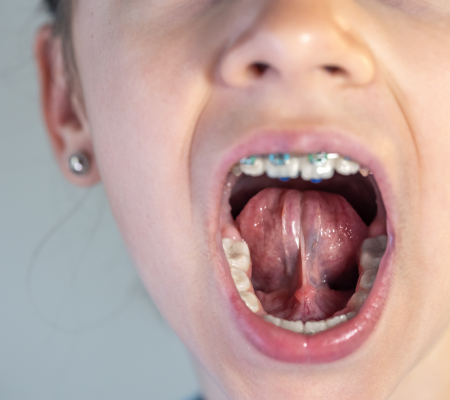
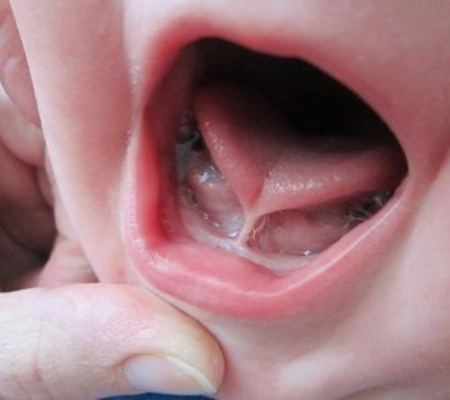
Tongue tie, medically known as ankyloglossia, is a condition in which the thin band of tissue connecting the tongue to the floor of the mouth becomes unusually short, tight, or thick. This restricts normal tongue movement and may interfere with feeding, speech, and oral function depending on the severity of the condition.
Early diagnosis and timely treatment help improve feeding comfort, tongue mobility, speech development, and overall oral function. I provide advanced tongue tie treatment in Tambaram with a strong focus on accurate diagnosis, child safety, minimally invasive surgical care, faster recovery, and compassionate support for both children and parents.
Dr. Raghul M is a Consultant Neonatal & Paediatric Laparoscopic Surgeon and Paediatric Urologist with expertise in advanced pediatric surgical procedures, including several first-of-its-kind surgeries in India. He holds MBBS, MS, DNB, FMAS, and MCh in Paediatric Surgery qualifications and has been honored with multiple gold medals for academic and surgical excellence.
| Condition | Tongue Tie (Ankyloglossia) |
|---|---|
| Treatment Type | Frenotomy / Frenuloplasty |
| Procedure Duration | 10–30 Minutes |
| Hospital Stay | Same-Day Procedure |
| Recovery Time | Few Days |
| Commonly Seen In | Infants & Children |
| Main Symptoms | Feeding Difficulty & Restricted Tongue Movement |
| Treatment Goal | Improve Tongue Function & Oral Mobility |
| Surgical Options | Frenotomy / Frenuloplasty |
Tongue tie, also called ankyloglossia, is a congenital condition in which the lingual frenulum — the tissue connecting the tongue to the floor of the mouth — is shorter, tighter, or thicker than usual.
This restricts the movement of the tongue and may interfere with:
Some children may have mild tongue tie with minimal symptoms, while others experience significant feeding and functional difficulties that affect daily activities and development.
Early pediatric surgical evaluation helps determine the severity of the condition and whether treatment is necessary.
The tongue plays an important role in several essential functions during infancy and childhood.
Normal tongue movement is important for:
When tongue movement becomes restricted due to tongue tie, infants and children may struggle with feeding and speech-related functions.
Tongue tie commonly affects breastfeeding in infants because proper tongue movement is essential for effective latch and milk transfer.
Infants with tongue tie may:
Mothers may also experience:
Early treatment can often improve feeding comfort and breastfeeding effectiveness.
Parents should seek pediatric evaluation if their baby experiences:

Persistent feeding difficulty should not be ignored, especially in newborns and young infants.
Tongue tie may continue to affect older children if significant tongue restriction persists.
Some children may also develop frustration or reduced confidence due to speech-related difficulties.
Tongue tie varies in severity depending on the thickness, tightness, and attachment of the frenulum.
Minimal restriction with few or no symptoms.
Noticeable tongue restriction affecting feeding or speech.
Significant restriction causing major feeding, speech, or tongue mobility problems.
The severity of symptoms often determines whether treatment is necessary.
Tongue tie is usually congenital, meaning it develops before birth.
Possible contributing factors include:
Tongue tie is relatively common and may occur in varying degrees among infants and children.
Mild tongue ties may not cause major problems. However, untreated significant tongue tie can lead to functional difficulties.
Early evaluation helps prevent long-term functional difficulties.
Treatment may be recommended when tongue tie causes:
Not every tongue tie requires surgery. Mild cases without significant symptoms may only require observation and follow-up.
Diagnosis usually involves a detailed clinical examination and functional assessment.
During consultation, I evaluate:
In infants, breastfeeding assessment may also help determine the impact of tongue tie on feeding
Some mild tongue ties may improve with supportive management and monitoring.
Surgical treatment is generally recommended when tongue restriction significantly affects feeding or oral function.
Tongue tie treatment involves releasing the restrictive frenulum to improve tongue movement.
A simple procedure where the tight frenulum is released.
A more advanced corrective procedure performed in selected cases with thicker or complex frenulum attachments.
The choice of procedure depends on the child’s age, severity of tongue tie, and functional symptoms.
The child’s symptoms, tongue movement, and oral function are assessed carefully.
Appropriate preparation and anesthesia planning are completed depending on the child’s age.
The restrictive tissue is carefully released using safe pediatric surgical techniques.
The area is checked thoroughly and bleeding is controlled.
The child is monitored briefly before discharge.
Most tongue tie procedures are quick and performed as same-day treatments.
Timely tongue tie treatment can significantly improve oral function and comfort.
Children often experience noticeable improvement in oral function after treatment.
Recovery is usually smooth when postoperative care instructions are followed properly.
Children generally adapt quickly to improved tongue mobility and oral function.
Parents play an important role in supporting recovery after tongue tie treatment.
Proper aftercare helps improve healing and long-term tongue mobility.
Tongue tie treatment is generally considered safe when performed by an experienced pediatric surgeon using appropriate surgical techniques and safety protocols.
I follow child-focused treatment planning and careful postoperative monitoring to ensure safe and effective care for every child.
Parents often have several questions before proceeding with tongue tie treatment. Understanding the condition and treatment process helps families feel more confident and informed.
Not all children with tongue tie develop speech problems, but significant restriction may affect pronunciation and oral movements if untreated.
The procedure is generally quick, and postoperative discomfort is usually mild and manageable.
Many infants show noticeable improvement in feeding and latch after tongue tie release.
No. Mild tongue tie without functional problems may not require surgical treatment.
Many infants can feed shortly after treatment depending on comfort and age.
Recurrence is uncommon when appropriate treatment and postoperative care are followed.
Parents should seek pediatric evaluation if their child experiences:
Early diagnosis and treatment help improve feeding comfort, oral mobility, and speech development.
Families searching for tongue tie treatment in Tambaram often look for specialized pediatric care focused on feeding improvement, tongue mobility, speech support, and faster recovery.
I provide individualized treatment plans based on:
Parents searching online for:
can benefit from timely consultation and proper treatment guidance.
Parents choose me for tongue tie treatment because of:
Every child receives personalized evaluation and safe treatment focused on improving oral function and comfort.
Tongue tie is usually congenital and present from birth due to variations in frenulum development.
Yes. Significant tongue tie can interfere with latch and feeding comfort.
The procedure usually takes around 10–30 minutes depending on severity.
Most tongue tie procedures are performed as same-day treatments.
Some children with significant tongue restriction may develop speech articulation difficulties.
Yes. The procedure is generally considered safe when performed by an experienced pediatric surgeon.
Parents should seek medical attention if the child develops fever, excessive swelling, bleeding, or difficulty passing urine.
If your child is experiencing feeding difficulties, restricted tongue movement, breastfeeding problems, or speech concerns related to tongue tie, early pediatric surgical evaluation can help improve comfort and oral function.
Book a consultation for advanced tongue tie treatment in Tambaram with compassionate, child-focused surgical care.
Book an appointment with Dr. Raghul M to discuss the best treatment options for your child.